The Irreplaceable Love of a Mother Biblical Stories of Loss and Resilience
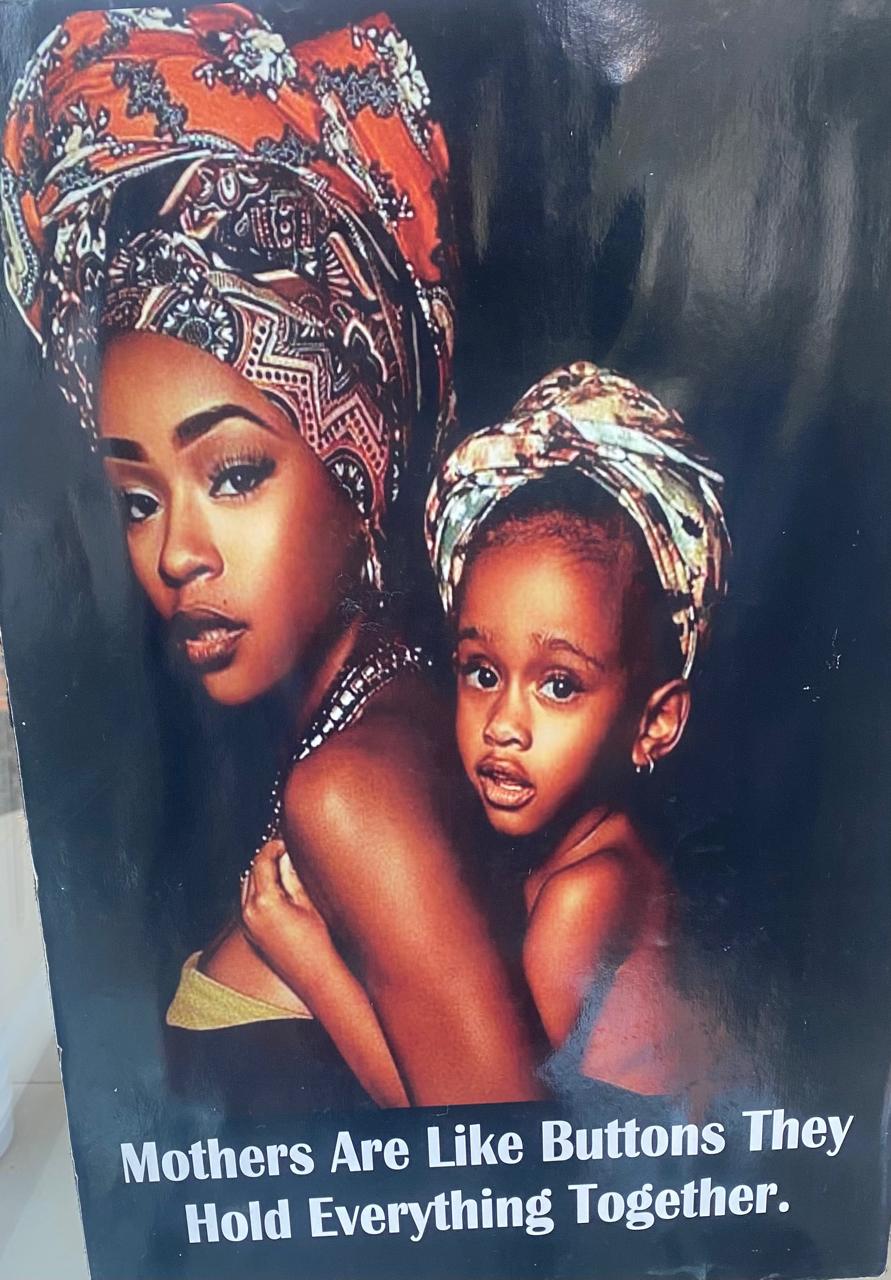
The loss of a mother leaves a void nothing can replace. Reflecting on recent deaths of mothers and my own grief for my grandma, I’m reminded of how deep, unconditional, and irreplaceable a mother’s love is. This piece explores that ache, its impact on children, and the hope that still remains.

In recent days, I have felt profound sadness witnessing the deaths of two mothers in Kenya from cancer, leaving behind young children. Through social media, I observed the collective grief, especially the empathy and sorrow for children growing up without their mothers. While every mother’s love and parenting style is unique and not all children experience ideal attachment, there is a gap left by a loving mother’s death that is difficult for anyone else to fill.

Having lived away from my own children, I have personally felt the ache of separation. It taught me that a mother’s love is special and irreplaceable. I do not have answers or advice, for death is painful and permanent separation, but today I just want us to be in a space to reflect on a mother's absence.
Two months ago, I also lost my grandma; she was like a mother because of the time I spent with her at a critical stage in life, 2-4 years old, and during my teenage years. I developed a strong attachment to her. Most of the tears I shed and grief is when I remember her unconditional love for me. I cannot equate it to any love I have experienced. Her love was true, and I felt myself always accepted by her. I did not work for her love. Whether I did any house chores or not, whether to visit her with shopping or not. It was constant. I would still find she has made efforts to have someone cook chapati and chicken/beef stew for me, and a luggage to go back with, with fresh farm products from her farm and traditional sour porridge. She would always look for women who are skilled to grind the porridge from stone instead of doing it in a posho mill in town. Every time I spoke to her, the term grandma would go hand in hand with a big smile.
The morning when I was told she passed away, I cried for many hours, police almost came to my house as my wailing attracted a crowd of passersby in the street. I felt a part of me left, I have never felt such intense physical pain in my stomach, accompanied by headache and loss of appetite for weeks. Macaque, this is me, mourning an 80-year-old woman who did her grand motherhood job well with me, lived to see her third generation and whose mother is still living. I can only imagine how it feels for younger children to experience a mother’s death.
I turned to the Bible to check for children who were separated from their mothers through death. I could only find two mothers who died, though their deaths were maternal; they died while giving birth. Racheal, the loved wife of Jacob (Genesis 35:16-20) and an unnamed woman, who was Eli’s daughter-in-law (I Samuel 4).
Racheal was the mother of Joseph and Benjamin. When Rachael died Joseph, he was still a young boy, but old enough to remember her. Joseph grew up in a polygamous family. Losing his mother meant Joseph absorbed: his father’s grief, his brothers’ jealousy and a deep need to be seen and loved. This shaped why Jacob favored him so fiercely. Joseph’s also becomes emotionally vulnerability, it is seen when he turns away to weep after first seeing his brothers (Genesis 42:24), when he is overcome with compassion and rushes out to cry upon seeing Benjamin (Genesis 43:30), when he breaks down loudly as he reveals himself to his brothers (Genesis 45:1–2), and when he weeps long and deeply on his father Jacob’s neck after their reunion (Genesis 46:29).
Benjamin was born at the very moment his mother, Rachel, died, and she named him Ben-Oni, meaning “son of my sorrow” (Genesis 35:18). Jacob, his father, later renamed him Benjamin, meaning “son of the right hand,” perhaps to offer hope and strength in place of grief. Benjamin never knew his mother’s love, hence maybe grieving what he never received from a mother. He grew up under the protective but anxious care of Jacob, who feared losing him as he had lost Rachel (Genesis 42:36; 44:30–34). He became the most guarded child in the family. Years later, he finally reunites with Joseph in Egypt.
Ichabod is the other child; he enters the world as tragedy unfolds around him. His father, Phinehas and uncle Hophni die in battle (1 Samuel 4:11), his grandfather Eli collapses and dies upon hearing the news (1 Samuel 4:18), and his mother dies in childbirth from shock and grief (1 Samuel 4:19–22). Before taking her last breath, she names him Ichabod, meaning “The glory has departed,” marking his life with the sorrow and devastation surrounding his birth. Though Scripture does not follow his childhood.
These biblical narratives resonate with contemporary experiences: children who have lost a mother, or those growing up with the absence of maternal love. Know that your grief is real, and your feelings are valid. Your journey may be difficult, but it is possible to grow with resilience, hope, and love from those who surround you. For those who care for these children, your presence, patience, and unwavering support can help fill the spaces left behind.